
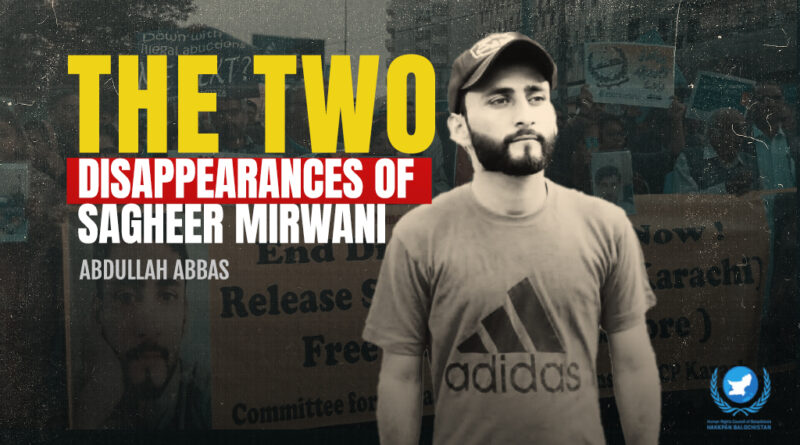
The Two Disappearances of Sagheer Mirwani
On November 21, 2017, Sagheer sat his second-semester exam in the Political Science department. Afterward, he joined his friends in the university canteen, sipping karak chai, the strong milk tea that outshines every other drink in South Asia. Students filled the tables. So did a few plainclothes men, though no one thought much of it at the time.
Then a white car pulled up, flanked by two motorbikes. Nine men spilled out, five from the car, four from the bikes, and moved straight for Sagheer. Others fanned out around the canteen, cutting off any chance of the students intervening. Sagheer was dragged to the car and driven away. Before leaving, the men confiscated every phone in the canteen, erasing any immediate trace of what had happened.
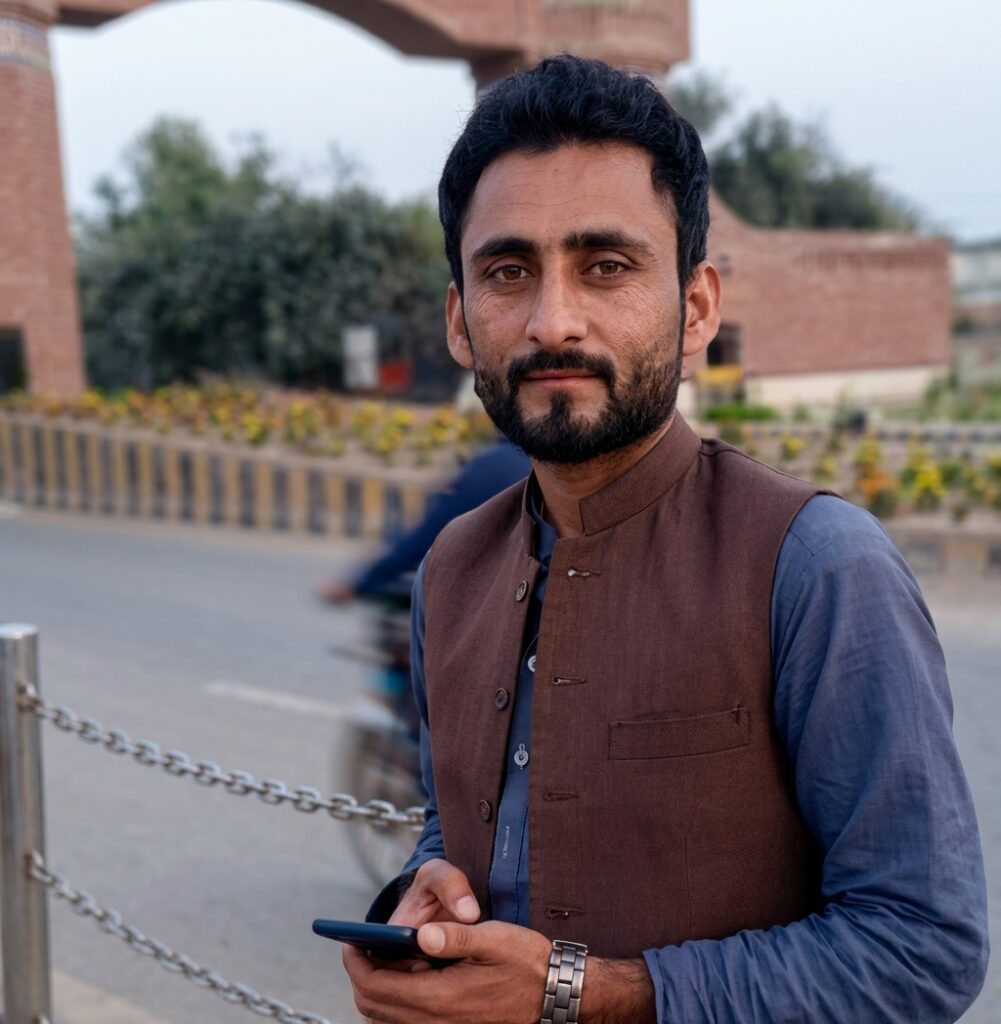
It was one of the first times a student had been taken from inside a university campus, and it marked a disturbing shift. By 2017, enforced disappearances were already a daily reality in Balochistan. But Sagheer’s case signalled something new: the reach of these disappearances had extended beyond Balochistan’s villages and into the universities of Karachi. It felt as though the entire Baloch community in the city was now under watch.
A month earlier, on October 27, Nawaz Atta, then information secretary of the Baloch Human Rights Organization (now the Human Rights Council of Balochistan), had been forcibly disappeared from Karachi along with eight others, most of them minors. Raids had already swept through Baloch neighbourhoods across the city in the weeks before Sagheer was taken. His abduction wasn’t an isolated act. It was the latest sign of a crackdown that had arrived in Karachi to stay.
Sagheer belongs to the Awaran district of Balochistan. While growing up, the district was turning into the stronghold of Baloch militant organizations. To curb the growing insurgency, the military, as usual, resorted to brute force, which led to the enforced disappearance and extrajudicial killing of hundreds of civilians, most of them family members and relatives of activists and militants, punished under a policy of collective punishment.
Then, on September 24, 2013, a 7.8 magnitude earthquake jolted Balochistan, killing over 800 people and injuring thousands more. With its epicentre in the district of Awaran, the earthquake destroyed almost 80 percent of people’s homes and left over 100,000 homeless. Sagheer’s family was one of them.
In Balochistan, every natural disaster opens a window for seasonal NGOs and the military to scavenge on international aid meant for the affected people. A small share of it reaches those who need it, enough for a photograph, enough for a report, while the rest disappears into the pockets of NGOs, government officials, and military officers.
The earthquake of September 2013 was no different. International aid was halted, citing security concerns that supposedly kept aid workers from reaching a district already devastated by military operations long before the quake. There was too much in Awaran that security forces needed to keep hidden. The aid was handed over to the military for distribution. Soon, the NGOs left. The soldiers stayed.
What had begun as a rescue mission slowly turned into another round of raids and disappearances, and the devastation of Awaran’s people continued. New checkpoints rose across the district; schools and hospitals were occupied to house the newly deployed soldiers, and a new level of scrutiny settled over the district.
Sagheer had just stepped into adulthood. The security situation was already so dire, and now that his home had turned into rubble and schools into checkpoints, his father, Qadir Bakhsh, who made a living through informal border trade with Iran, decided to migrate. He rented a house in Uthal, some 200 kilometres away, and enrolled his children in school there so they could continue their studies.
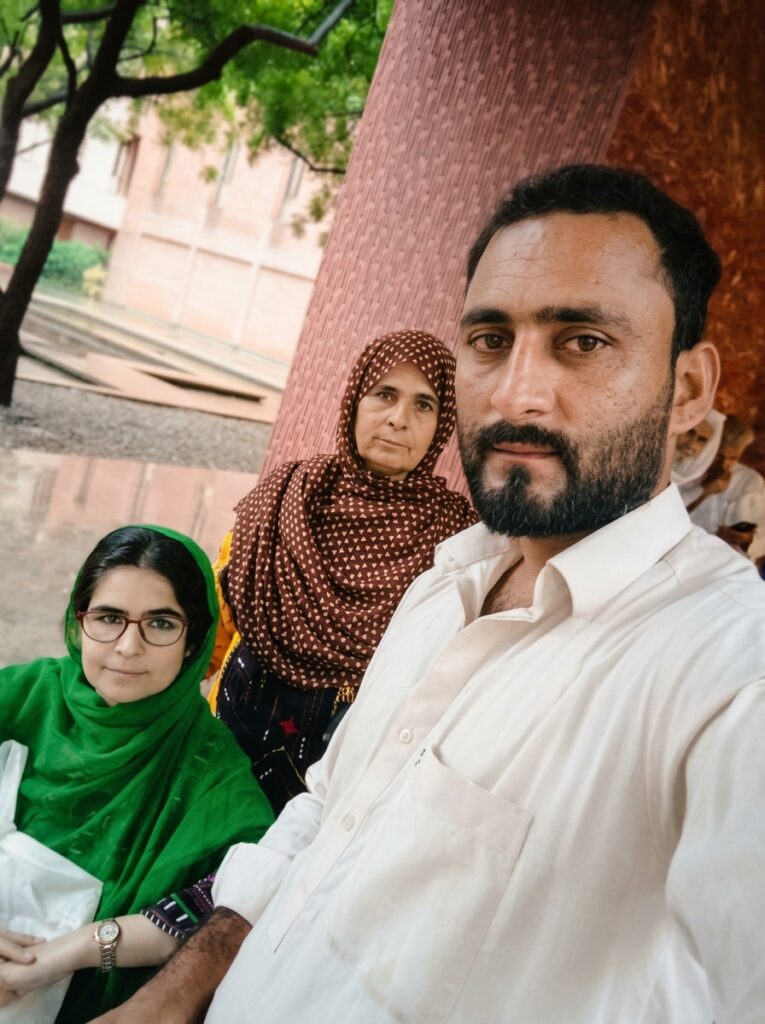
Sagheer completed his intermediate education and, in 2017, was admitted to the political science department at the prestigious University of Karachi. By then, enforced disappearances had reached the settlements of internally displaced people in Uthal, Windar, and Hub Chowki, and soon, Karachi itself. The scrutiny of Baloch students in the city began, and disappearances followed.
When Sagheer disappeared, his elder sister Hameeda was a mother of two, training to become a lady health worker, a profession desperately needed in a region with one of the world’s highest maternal mortality rates and some of its weakest health infrastructure. But with her brother gone, she stepped forward. In Balochistan, men were the primary targets of the security forces, so speaking out falls to the women left behind.
She went first to the university to gather every detail of what had happened. She tried to hold a press conference, but authorities blocked her. Undeterred, she stood outside the press club, recorded her own statement on her phone, and posted it online, one of the only platforms left where her voice could travel freely, since the mainstream media had become little more than a mouthpiece for the military.
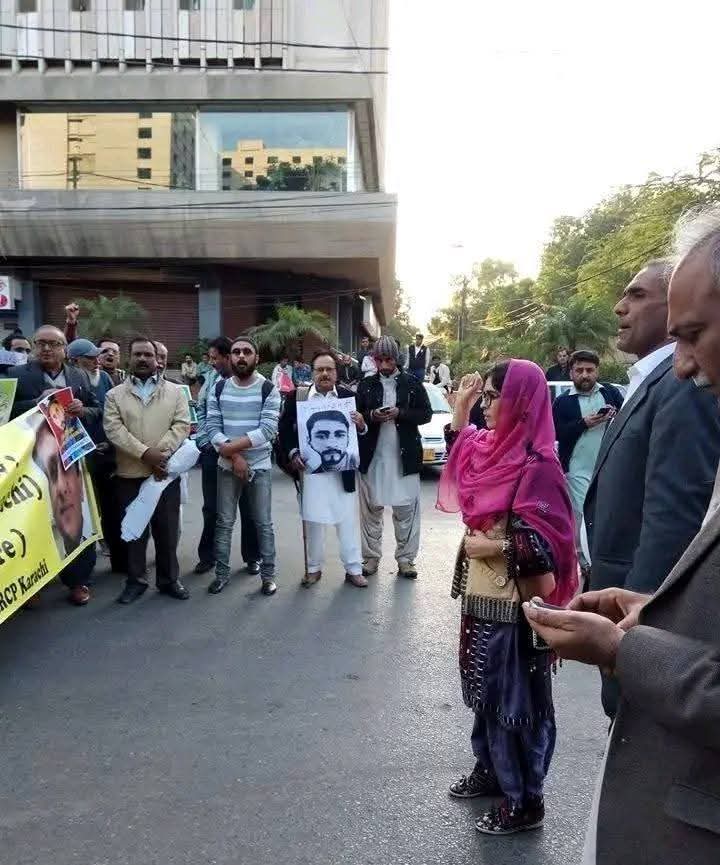
She organized protests. She filed a First Information Report. She petitioned the high court. She brought Sagheer’s case to the United Nations Working Group on Enforced and Involuntary Disappearances. She left no door unknocked, no avenue untried, chasing every sliver of hope that her brother might come home.
Eight months later, he did.
There were no charges, no explanations; the military never bothered to offer either. Sagheer had endured brutal torture during his detention, but he was alive, and his family held onto that. He went on to complete a master’s degree in Political Science and began searching for work, while Hameeda quietly stepped back from public life. She enrolled at a university in Uthal and kept working, this time through the Baloch Student Action Committee, campaigning for Baloch children’s right to education.
In 2024, the government shut the border for several months and then imposed severe trade restrictions, cutting off the livelihood that thousands of families, including Sagheer’s, depended on. Struggling financially, Sagheer’s father made the difficult decision to move the family back to Awaran.
Sagheer was still looking for work. Hameeda, by then, had finished her studies and moved to Quetta, Balochistan’s capital, working as a nurse to support herself while preparing for job interviews and exams.
Then, one morning in early June 2024, Hameeda was struck by a pain so severe it left her paralyzed for the rest of the day. The next day, doctors diagnosed her with cancer and told her she needed to travel to Karachi, where the medical facilities were better than anything Quetta could offer. The news devastated the family; no one more than Sagheer. Hameeda had never just been his sister. She had been his friend, his comrade, and in many ways, his mother too.
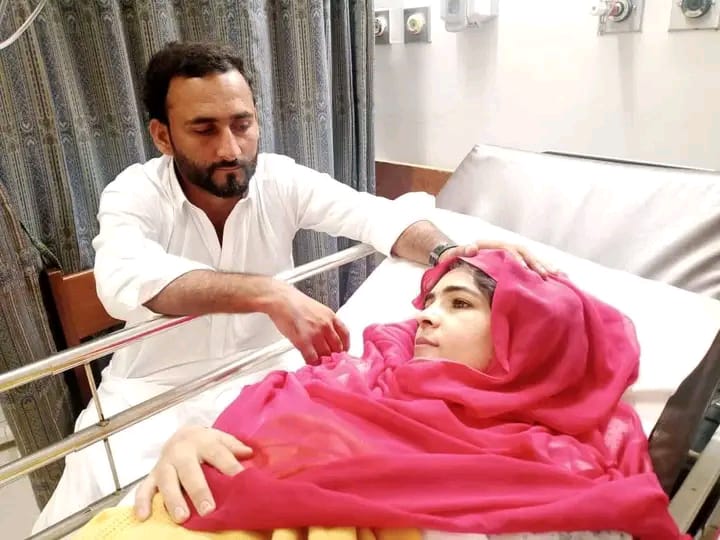
For the next six months, Sagheer stayed by her hospital bed, holding her hand through it all. On October 28, 2024, Hameeda took her last breath.
Her death broke something in everyone who knew her: the students of BSAC, the families of the disappeared she had fought alongside, her colleagues at the hospital, her friends in activism, her family, and Sagheer. It was a grief that settled deep. But she had done her part, and she had done it with grace.
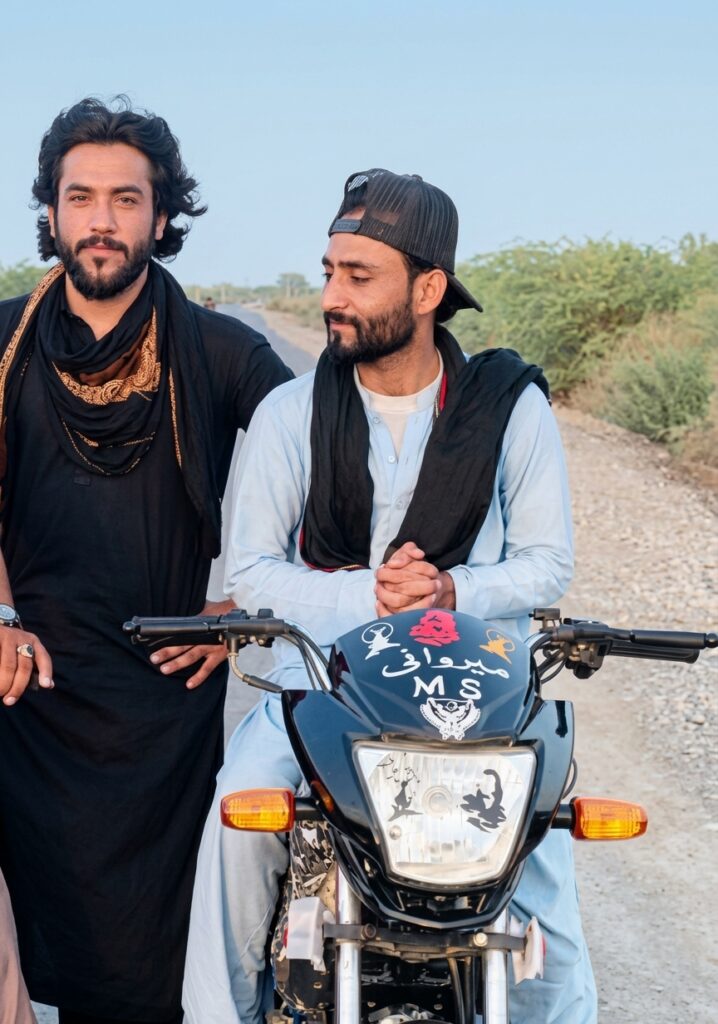
Just as the family was beginning to come to terms with her loss, another tragedy struck. On June 11, 2025, Sagheer was travelling by bus from Turbat to Karachi with his cousin, Iqrar Jangiyaan. The bus was stopped in Ormara, a small coastal town in Balochistan. Forces pulled both men off and took them away.
There has been no word since.
It has been more than a year now. No information, no confirmation, no answers. The same silence that swallowed Sagheer once before has swallowed him again, only this time, there is no one to record a statement outside a locked press club, no one to file the petitions.
Without Hameeda, there is no press conference, no FIR, no petition climbing toward the high court. There is only silence, and the silence is not accidental: it is what happens the moment no one is left to break it.
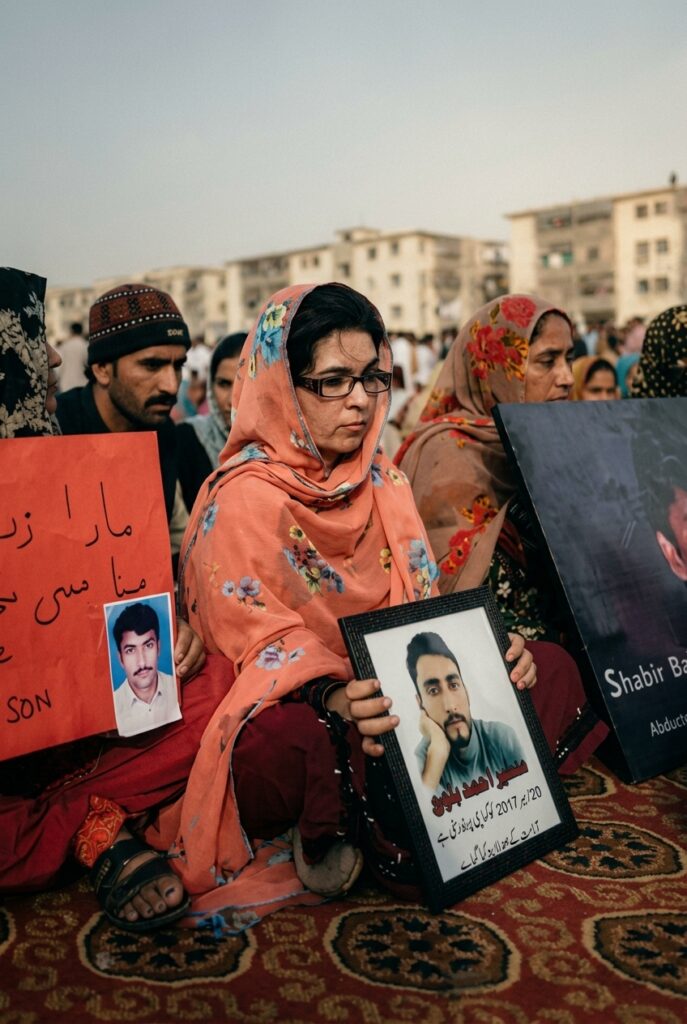
Last time, it was Hameeda who stood between Sagheer and disappearance becoming permanent. This time, there is no one standing there. And so Sagheer and Iqrar have quietly become what Sagheer himself almost became once before, until his sister refused to let him: two more names on a list too long for anyone to read to the end.
Sagheer needed Hameeda before, and he came home. He needs her now, more than he ever has. She is the one person who could still change how this story ends, and she is the one person who cannot come back
