
17-Year-Old Disappeared Girl Presented as “Suicide Bomber”: HRCB Condemns Forced Confession and State Narrative
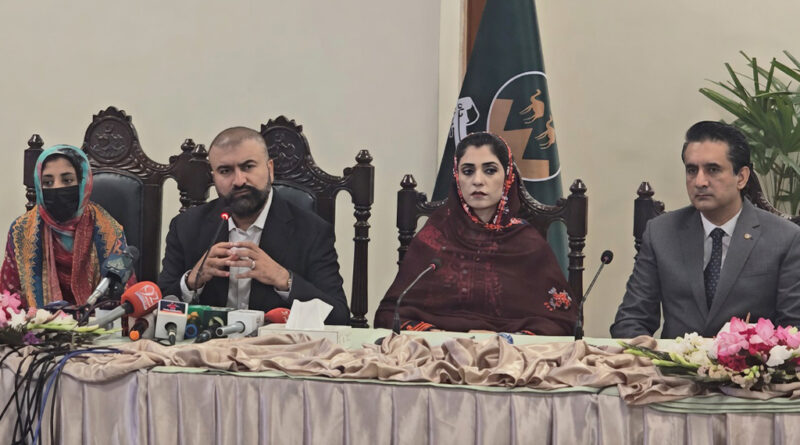
The Human Rights Council of Balochistan strongly rejects the claims made during the press conference held in Quetta on Monday, May 12, by Balochistan Chief Minister Sarfaraz Bugti regarding an alleged suicide attack plot.
HRCB considers the allegations false, fabricated, and part of a recurring pattern of forced confessions involving victims of enforced disappearances in Balochistan.
The young woman presented before the media is Hair Nisa Wahid, a 17-year-old student who was forcibly disappeared by Pakistani forces on December 20 last year during a late-night raid in the Ganji Goth Daru Hotel area of Hub Chowki. Another eight months pregnant woman, Hani, was also detained during the same raid and was later released, while Hairnisa remained disappeared for months.
The families of Hani and Hair Nisa have repeatedly organized protests and sit-ins in Kech, Hub, and Quetta, demanding the safe recovery of their loved ones and an end to enforced disappearances. Despite these sustained demonstrations, authorities have continued to ignore the concerns and demands of the affected families.
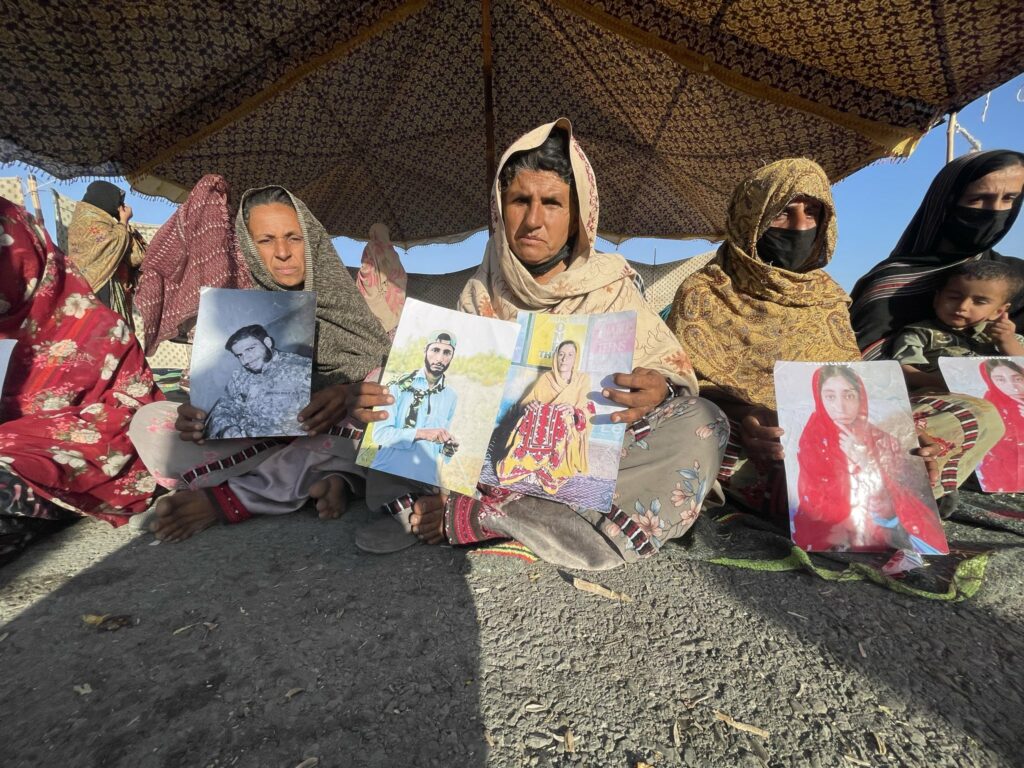
During the same period, two male relatives of Hair Nisa, Mujahid Dilwash and Fareed Ijaz, were also forcibly disappeared, and their whereabouts remain unknown.
Presenting a disappeared minor before the media after months of incommunicado detention and portraying her within a state-controlled narrative raises serious concerns regarding coercion, torture, and the extraction of statements under duress. She is the third woman in recent cases to be presented in a similar manner for alleged forced confessions and media trials following prolonged disappearance.
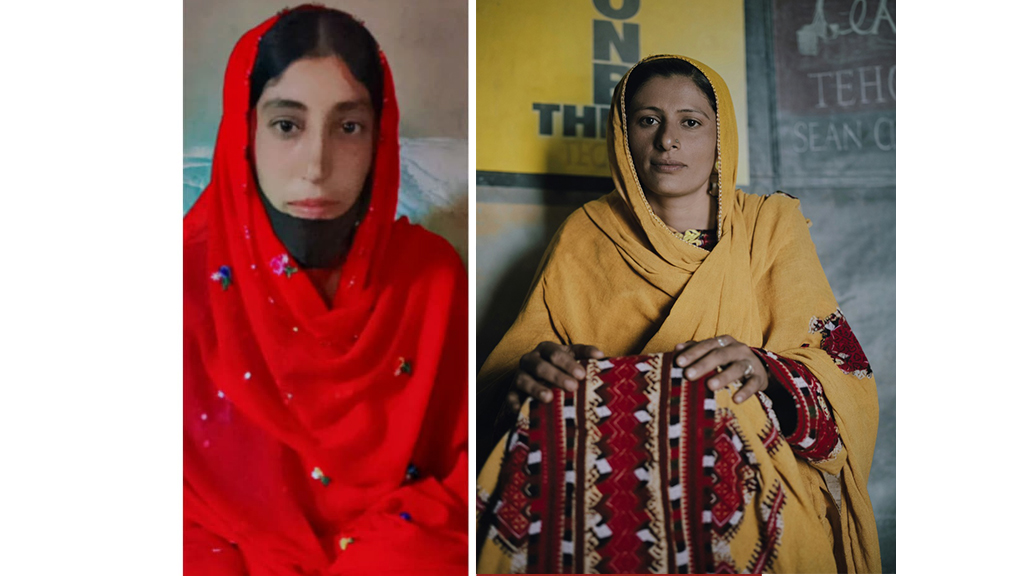
According to HRCB’s documentation of women’s enforced disappearances in Balochistan between January 2025 and May 2026, a total of 24 cases have been recorded. Out of these documented cases, 8 women remain missing, 8 were later released, 2 are currently jailed, 3 were subjected to forced confessions after disappearance, 1 woman was killed in custody, and 2 cases remain unconfirmed.
These figures reflect an alarming and systematic pattern of targeting women and girls in Balochistan through enforced disappearances, arbitrary detention, and media-driven criminalization.
